
High-rise construction is moving fast, and plumbing systems must keep up. Builders today need materials that are strong, safe, and easy to install at scale. This is where UPVC pipes stand out. From residential towers to commercial complexes, these pipes are now a preferred choice for modern plumbing systems.
In this guide, we’ll break down why UPVC pipes for high-rise buildings are widely used, how they compare to traditional materials, and what makes them a reliable solution for long-term performance.
The Growing Demand for uPVC Pipes in Construction
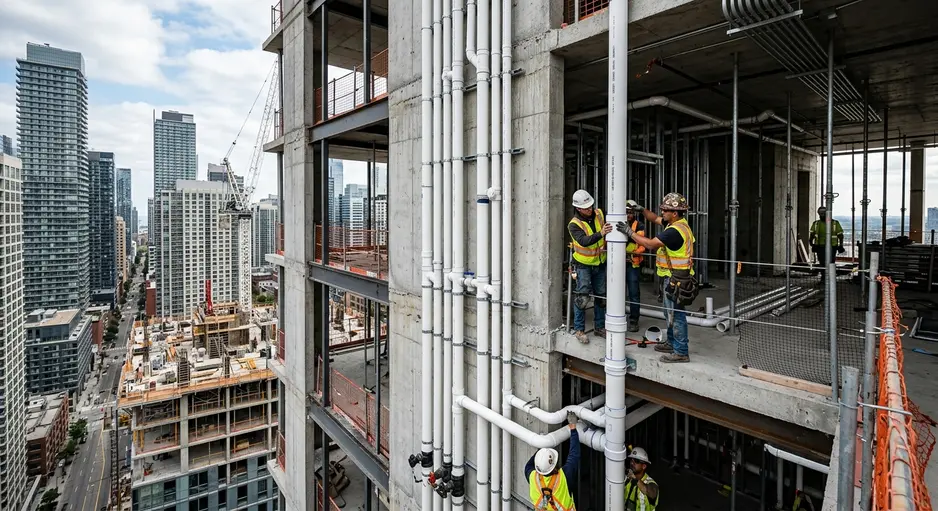
Urban areas are expanding upward. Cities across India and the world are seeing a rise in multi-storey buildings due to space constraints. This shift has changed how plumbing systems are designed and installed.
Traditional materials like GI and CI pipes are slowly being phased out. They are heavy, prone to corrosion, and require frequent maintenance. In contrast, commercial high-rise UPVC pipe solutions offer better durability and ease of installation.
- Faster construction timelines
- Reduced labor costs
- Improved system reliability
- Lower long-term maintenance
Modern plumbing materials now play a key role in building safety, efficiency, and sustainability.
What Makes UPVC Pipes Ideal for High-Rise Buildings?
Lightweight Yet Strong for Vertical Installations
One of the biggest advantages of UPVC pipe is its lightweight nature. Compared to metal pipes, it is much easier to handle and install, especially in tall structures.
- Reduces structural load
- Simplifies transport to upper floors
- Speeds up installation time
Despite being lightweight, these pipes offer excellent strength, making them suitable for vertical applications.
Corrosion and Chemical Resistance
Corrosion-resistant UPVC pipes for skyscrapers perform well in harsh conditions. Unlike metal pipes, they do not rust or degrade when exposed to moisture or chemicals.
- Ideal for sewage and drainage systems
- Resistant to acids and alkaline substances
- Maintains water quality over time
This makes them a reliable option for long-term plumbing systems.
High Pressure Handling
High-rise buildings require pipes that can handle pressure variations across multiple floors. UPVC pressure pipes PN16 for tall buildings are commonly used for this reason.
Understanding pressure classes:
- PN10: Suitable for moderate pressure applications
- PN16: Ideal for high-pressure systems in tall buildings
Choosing the right pressure class ensures safety and consistent performance.
Long Lifespan and Low Maintenance
Long-life UPVC pipe solutions for towers can last for decades with minimal maintenance. They do not scale or corrode, which reduces repair costs.
- No frequent replacements
- Lower lifecycle cost
- Consistent performance over time
This makes them a practical investment for developers and contractors.
UPVC vs GI Pipes for High-Rise Buildings
Durability and Lifecycle Cost
GI pipes are prone to rust and scaling, which reduces their lifespan. UPVC pipes, on the other hand, offer better durability and lower long-term costs.
Installation Complexity and Labor Costs
Metal pipes require threading and heavy tools. UPVC pipes use simpler methods like solvent welding or push-fit systems.
- Faster installation
- Lower labor requirements
- Reduced project delays
Corrosion, Scaling, and Water Quality Impact
GI pipes can affect water quality due to rust buildup. UPVC pipes maintain clean water flow, making them a safer option.
Why Builders Prefer UPVC Over GI in Modern Projects
The combination of durability, cost efficiency, and ease of use makes UPVC a clear winner in modern construction.
Key Applications of UPVC Pipes in High-Rise Projects

UPVC Vertical Riser Pipes for Apartments
UPVC vertical riser pipes for apartments are used to transport water across multiple floors efficiently. Proper UPVC riser shaft design guidelines ensure smooth installation and maintenance access.
UPVC Drainage Pipes for High-Rise Towers
UPVC drainage pipes for high-rise towers are designed for efficient wastewater flow. They also offer good acoustic performance UPVC drainage systems, reducing noise.
UPVC Rainwater Downpipe Systems for Towers
UPVC rainwater downpipe systems for towers help manage heavy rainfall in urban environments. They ensure quick drainage and prevent water accumulation.
110mm UPVC Sewer Pipes for Multi-Storey Buildings
110mm UPVC sewer pipes for multi-storey buildings are widely used for waste management. They provide smooth flow and reduce blockages.
UPVC Plumbing Solutions for High-Rise Apartments
Modern projects rely on integrated UPVC plumbing solutions for high-rise apartments that combine water supply, drainage, and waste systems into a single efficient network.
Installation Best Practices for High-Rise UPVC Plumbing
Solvent-Weld UPVC Jointing Technique
The solvent-weld UPVC jointing technique creates strong, leak-proof joints. It ensures long-term durability when done correctly.
Push-Fit UPVC Fittings for Faster Installation
Push-fit UPVC fittings quick installation systems reduce labor time and simplify the process, especially in large projects.
Managing Thermal Expansion in Tall Structures
The thermal expansion coefficient of UPVC is lower than many materials, but expansion still needs to be managed in tall buildings.
- Use expansion loops
- Allow proper spacing
- Follow design guidelines
Pressure Testing and Quality Assurance
Pressure testing ensures that the system can handle real-world conditions. It also helps detect leaks before the building is occupied.
Standards, Compliance, and Quality Considerations
Export Quality UPVC Pipes Compliance
Export quality UPVC pipes compliance ensures that products meet international standards, making them suitable for global markets.
Choosing OEM UPVC Pipe Manufacturers
Working with reliable OEM UPVC pipe manufacturers ensures consistent quality and performance.
- Check certifications
- Review testing processes
- Assess production capacity
Certifications That Ensure Reliability
Certifications act as proof of quality and help builders make informed decisions.
How to Choose the Best UPVC Pipes
Key Factors to Evaluate
- Pressure rating (PN10 or PN16)
- Pipe thickness and strength
- Compatibility with fittings
Evaluating Wholesale UPVC Pipes Suppliers India
Choosing trusted wholesale UPVC pipes suppliers in India ensures timely delivery and consistent supply.
Bulk UPVC Pipes Exporters India: What to Know
Bulk UPVC pipes exporter in India must meet strict quality standards and provide reliable logistics support.
Cost vs Performance: Making the Right Investment
While initial costs may vary, UPVC pipes offer better value over time due to low maintenance and long lifespan.
Why Builders Are Switching to UPVC
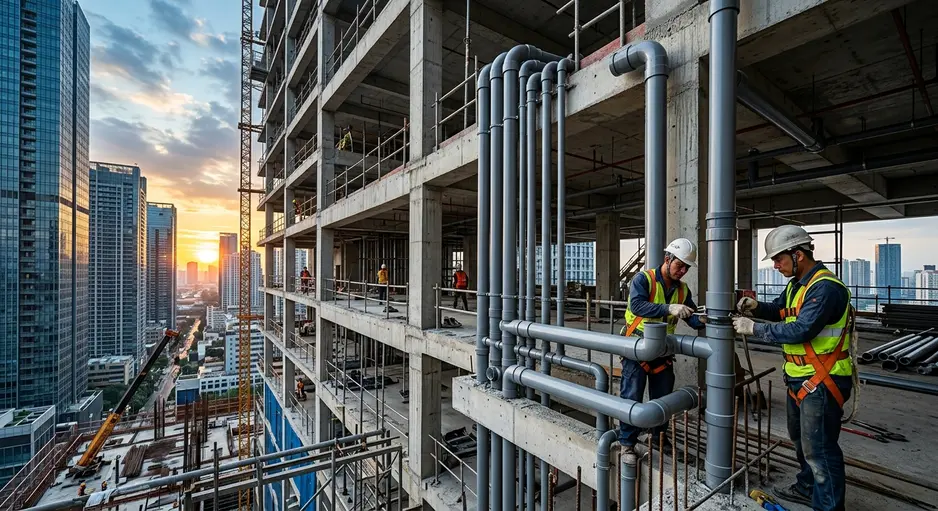
Contractors and engineers are increasingly recommending UPVC systems for high-rise projects. The reasons are clear:
- Reliable performance under pressure
- Ease of installation
- Lower long-term costs
The UPVC pipe benefits for construction include durability, chemical resistance, and sustainability. These advantages make them suitable for modern infrastructure.
Buy UPVC Pipes for Building Projects
Conclusion
The shift toward modern materials in construction is clear. UPVC pipes offer the right mix of strength, durability, and cost efficiency for high-rise buildings. They simplify installation, reduce maintenance, and provide long-term reliability.
For builders, contractors, and developers, choosing the right plumbing system is critical. UPVC continues to prove itself as a dependable solution for today’s vertical living spaces.
To explore high-quality piping solutions for your next project, visit Scotto Pipes and discover options designed for modern construction needs.
FAQs
1. What are the best UPVC pipes for high-rise construction?
The best options are those with high pressure ratings, strong fittings compatibility, and compliance with IS standards.
2. Are UPVC pipes safe for high-rise buildings?
Yes, they are safe when installed correctly and meet required standards. They are widely used in residential and commercial buildings.
3. How do UPVC pipes compare in cost with GI pipes?
They are often more cost-effective in the long run due to lower maintenance and longer lifespan.
4. Do UPVC pipes meet international export standards?
Yes, high-quality pipes meet both Indian and international standards for safety and performance.
5. Which pressure rating is best for high-rise plumbing?
PN16 is commonly preferred for high-rise buildings due to its ability to handle higher pressure.
6. What is the difference between UPVC and PVC pipes?
UPVC is unplasticized, making it stronger and more rigid than standard PVC.
7. Can UPVC pipes handle hot water in high-rise buildings?
They are mainly designed for cold water systems. For hot water, CPVC pipes are typically used.