
When you turn on the tap in your kitchen, notice a city construction site, or see irrigation systems across farmlands there’s one thing working quietly behind the scenes: UPVC pipes. From residential homes to massive industrial plants, UPVC (Unplasticized Polyvinyl Chloride) has become the preferred material for transporting water, air, and chemicals efficiently.
So, what makes UPVC pipes such a game-changer? Their combination of strength, chemical resistance, and long-term reliability has transformed how we build, irrigate, and manage utilities. Whether it’s a simple water supply system, a complex industrial piping layout, or electrical conduits for safe wiring UPVC does it all.
Scotto Pipes, one of India’s leading manufacturers of advanced piping systems, has played a major role in redefining reliability and quality in the UPVC segment. Their products are designed not only to meet functional needs but also to align with modern sustainability goals helping sectors shift toward more eco-efficient infrastructure.
This blog explores the diverse UPVC pipes uses across homes, industries, agriculture, and public infrastructure revealing why UPVC remains one of the smartest materials in the modern construction world.
What Makes UPVC Pipes Special?
Before diving into the applications, it’s important to understand what sets UPVC pipes apart from ordinary plastic piping. UPVC stands for Unplasticized Polyvinyl Chloride a variant of PVC that doesn’t include plasticizers, giving it more rigidity and toughness.
Unlike traditional materials that corrode, rust, or degrade over time, UPVC pipelines are engineered to last for decades without losing performance. Their strength and cost-effectiveness make them indispensable in almost every sector from homes to heavy industries.
Why UPVC Is So Widely Used
-
Corrosion and chemical resistance: Ideal for diverse fluid types
-
Durability: Maintains strength in all weather conditions
-
Lightweight: Easy to handle and install
-
Non-toxic: Safe for drinking water
-
Cost-effective: Lower maintenance and installation costs
When comparing materials, UPVC pipe price varies by diameter, thickness, and pressure rating. However, its longer life and reduced maintenance make it more economical over time a prime reason why UPVC has become the global standard in water management and infrastructure.
Residential Applications: The Foundation of Modern Homes
Water Supply Systems
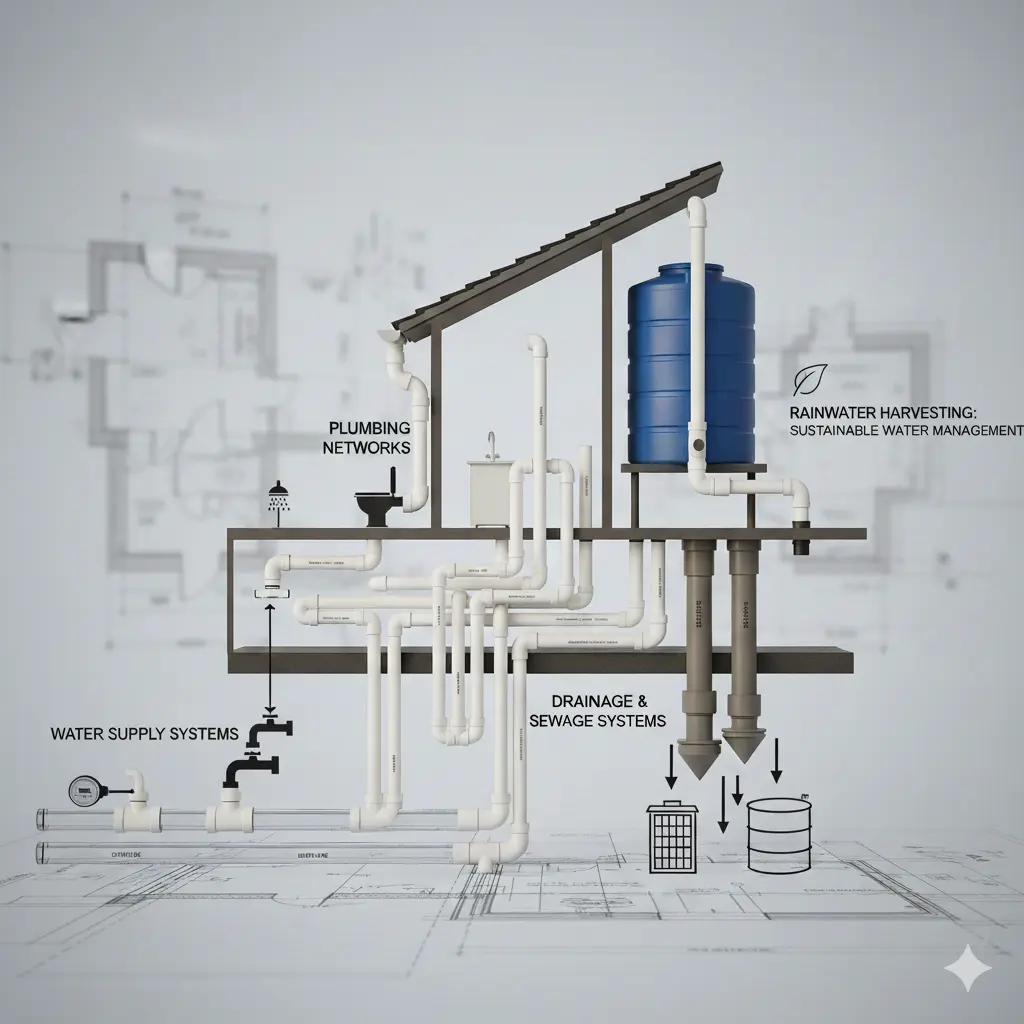
Your home's water supply system likely depends on upvc pipes for water supply, and there are excellent reasons for this preference. These pipes maintain water purity without leaching chemicals, ensuring what comes out of your kitchen tap is as clean as what enters your home. From main supply connections to individual fixture lines, they provide reliable service year after year.
Upvc pipes for water supply excel in residential settings because they:
-
Deliver safe drinking water without contamination risks
-
Connect seamlessly from municipal lines to internal distribution
-
Handle varying water pressures without weakening
-
Resist mineral buildup that plagues metal alternatives
-
Maintain consistent flow rates throughout their lifespan
Whether it's filling your kitchen sink, supplying bathrooms, or feeding outdoor taps, these pipes work silently and efficiently. Underground connections from main lines to homes benefit particularly from UPVC's resistance to soil chemicals and moisture.
Plumbing Networks
Modern upvc pipes for plumbing have revolutionized home construction. Builders and plumbers prefer them for internal networks because installation is faster, joints are leak-proof, and maintenance requirements virtually disappear. Your bathroom shower, toilet connections, and wash basin all likely rely on this technology.
The advantages for upvc pipes for plumbing include easier retrofitting in existing structures, compatibility with standard fittings, and the ability to handle both hot and cold water applications (within temperature limits). Homeowners appreciate that these systems don't burst during temperature changes and maintain water pressure consistently.
Drainage and Sewage Systems
An efficient sewage and drainage system ensures hygiene and odor-free environments. The UPVC pipeline used in these systems resists chemical reactions, corrosion, and microbial buildup making it ideal for residential and commercial waste management.
Key advantages for drainage applications:
-
Smooth interiors prevent clogs: Waste flows freely without catching on rough surfaces
-
Chemical resistance: Handles cleaning agents and waste products without damage
-
Odor prevention: Properly sealed joints prevent unpleasant smells
-
Long-term reliability: No corrosion means no unexpected leaks or failures
Soil pipes, vent systems, and underground sewerage connections all benefit from UPVC's durability and chemical resistance.
Rainwater Harvesting: Sustainable Water Management
As water scarcity intensifies globally, rainwater harvesting systems have become increasingly important. Upvc pipeline networks capture rooftop runoff, channel it to storage tanks, and distribute it for non-potable uses. These systems reduce municipal water dependency while lowering utility bills.
Rainwater harvesting installations using UPVC remain non-reactive, ensuring collected water stays uncontaminated for gardening, toilet flushing, and washing applications. The material's UV resistance and durability make it ideal for exposed rooftop installations that face harsh weather conditions year-round.
Agricultural Revolution: Farming Applications
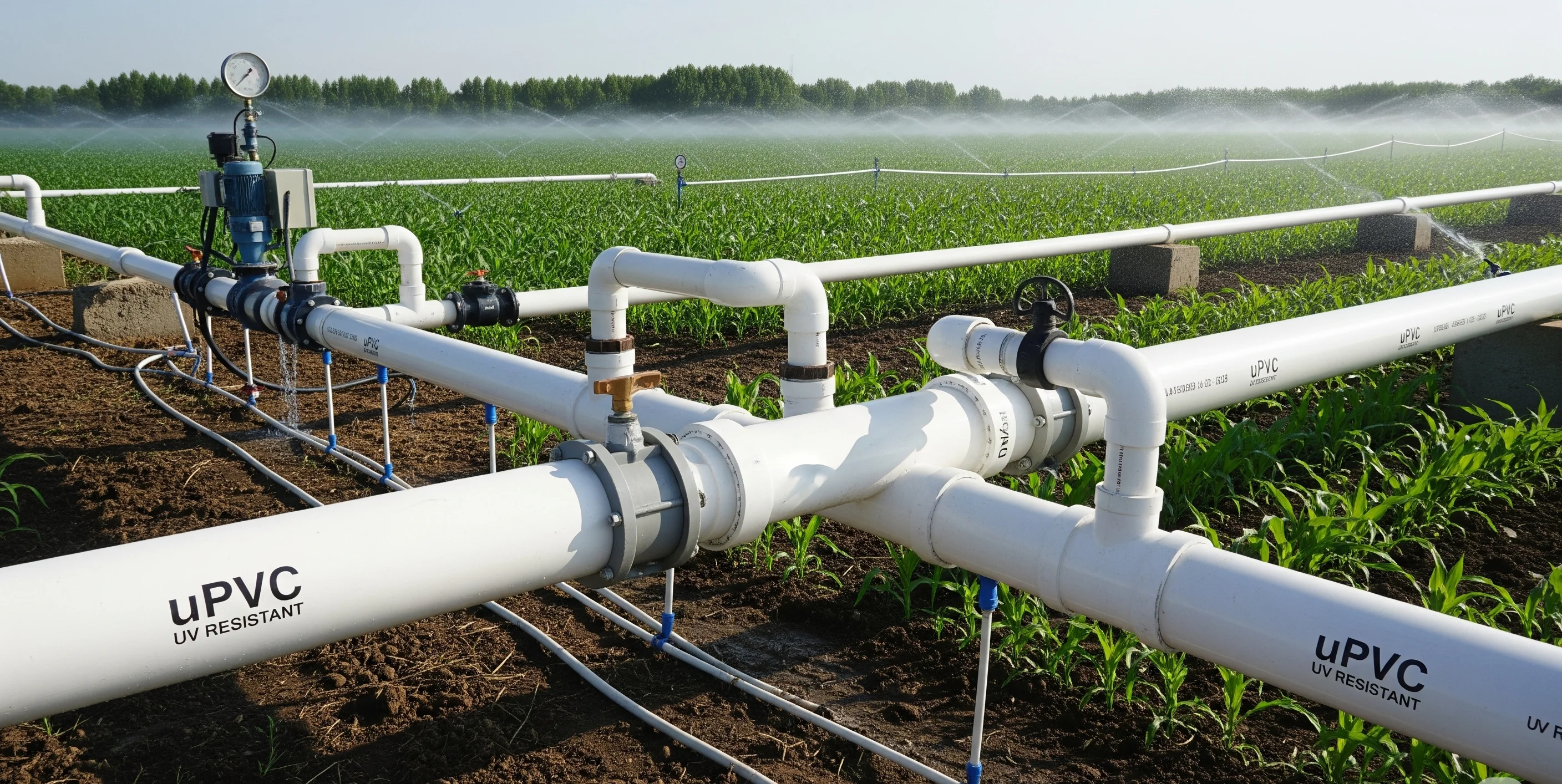
In agriculture, efficient water usage directly influences crop yield. Farmers increasingly rely on UPVC pipelines for agriculture irrigation systems, thanks to their high strength, lightweight structure, and chemical resistance.
UPVC’s smooth inner surface ensures uniform water distribution in drip irrigation and sprinkler systems, reducing wastage and improving productivity.
Common UPVC Applications in Agriculture:
Drip Irrigation Systems: Delivering water directly to plant roots minimizes evaporation and ensures every drop counts. These precision systems use smaller diameter upvc pipeline networks that snake through fields, providing controlled moisture exactly where needed.
Sprinkler Networks: For crops requiring overhead watering, UPVC main lines distribute water to sprinkler heads efficiently. The pressure-handling capability ensures uniform coverage across large areas.
Borewell Connections: Submersible pumps push water through upvc pipeline from underground sources to distribution points. The material's strength handles pump pressure without developing leaks or cracks.
Main Distribution Lines: Larger diameter pipes carry water from sources to various farm sections, branching into smaller lines for specific zones.
Why farmers trust UPVC for irrigation:
-
Chemical compatibility: Doesn't corrode from fertilizers, pesticides, or soil chemicals
-
Weather durability: Withstands extreme temperatures from freezing winters to scorching summers
-
Cost efficiency: While upvc pipe price requires initial investment, decades of maintenance-free service deliver exceptional value
-
Easy repair: Damaged sections can be replaced without replacing entire systems
-
Lightweight handling: Farmers can install and modify systems without heavy equipment
The transformation of agricultural water management through upvc pipes uses has enabled precision farming techniques that produce more food with less water a critical advantage as climate challenges intensify.
Industrial Applications: Heavy-Duty Performance
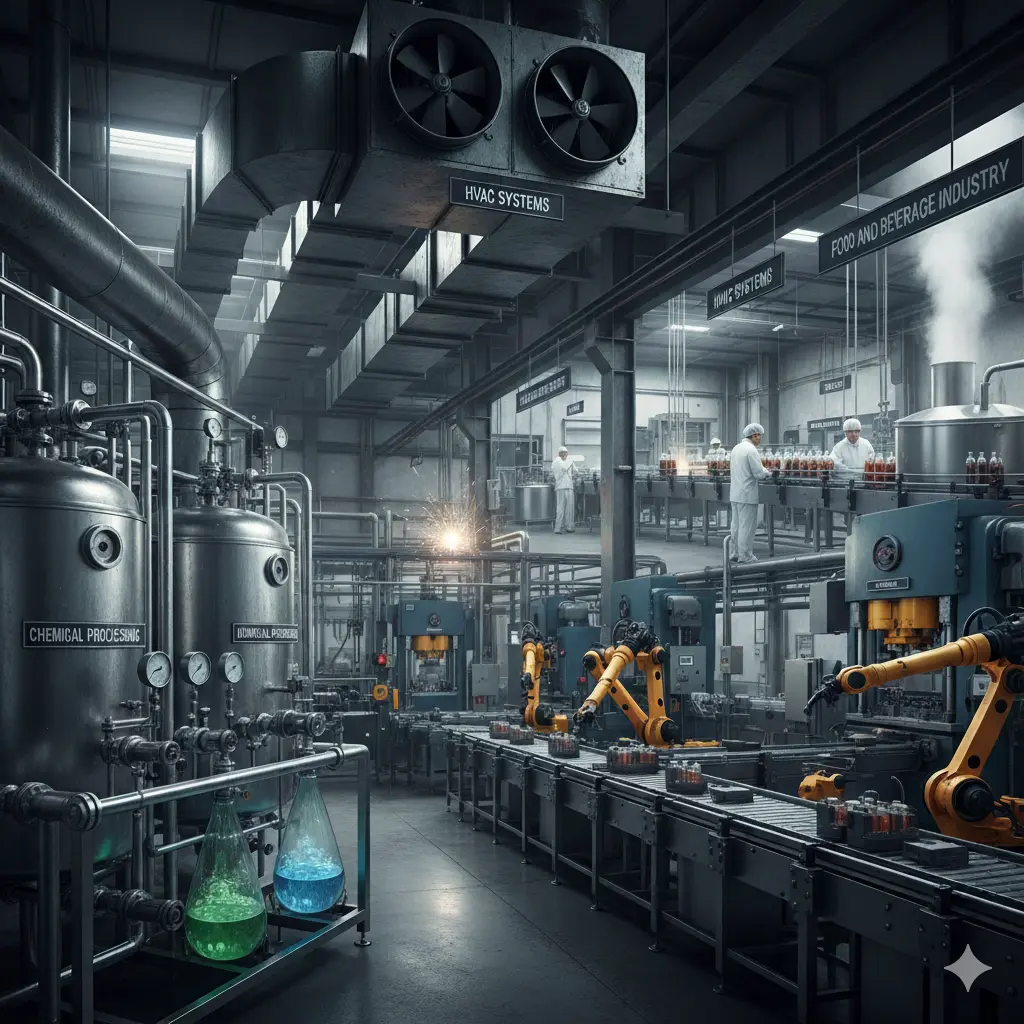
Industries demand materials that can withstand pressure, temperature variations, and harsh chemicals. That’s where UPVC pipes shine. They offer unmatched performance across manufacturing units, process plants, and utility systems.
Chemical Processing
UPVC’s non-reactive nature makes it perfect for transporting corrosive chemicals, acids, and alkalis safely. It ensures zero contamination while maintaining flow efficiency.
UPVC pipeline systems are widely used in:
-
Chemical processing plants
-
Effluent treatment facilities
-
Cooling and process water systems
Manufacturing Facilities
Factories depend on reliable pipelines for continuous operation. UPVC pipe systems are used for compressed air distribution, wastewater treatment, and cooling lines. Their lightweight design allows quick setup, reducing downtime during maintenance.
Benefits for Manufacturers:
-
Corrosion-free even in humid or chemical-prone environments
-
Low friction ensures energy-efficient pumping
-
Minimal maintenance downtime
HVAC Systems
In HVAC systems, upvc pipe installations manage condensate drainage and climate control mechanisms efficiently. They’re preferred in commercial buildings for their durability and resistance to corrosion.
Why UPVC Works Well in HVAC Systems:
-
Leak-proof joints prevent water damage
-
Handles low-pressure applications effectively
-
Non-corrosive, ideal for long-term operation
Food and Beverage Industry
Food safety regulations demand non-reactive, easy-to-clean piping materials. UPVC meets FDA standards and international food safety certifications, making it perfect for transporting water, juices, dairy products, and other liquids without contamination risks. The smooth interior prevents bacterial buildup, and the material doesn't impart any taste or odor.
Infrastructure & Municipal Applications
Municipal infrastructure depends heavily on long-lasting materials and UPVC pipelines lead the way in this category. Cities around the world use them for stormwater management, sewage treatment, and urban water supply systems.
Applications Include:
-
Large-diameter drainage lines
-
Water distribution networks
-
Effluent and stormwater collection systems
Municipal advantages include:
-
Reduced maintenance budgets: Fewer repairs and replacements free funds for other priorities
-
Extended service life: 50+ year lifespans delay expensive infrastructure replacements
-
Water conservation: Leak-proof systems reduce losses from distribution networks
-
Public health protection: Non-reactive materials ensure water quality isn't compromised
Scotto Pipes has supplied numerous municipal projects globally, demonstrating how quality manufacturing supports critical infrastructure development.
Electrical Applications: Protecting Connections
Safety is non-negotiable in electrical systems, and UPVC pipes play a crucial role as protective electrical conduits. They safeguard wiring from moisture, dust, and fire hazards ensuring uninterrupted power and safety.
Electrical conduits using UPVC serve several critical functions:
Underground Cable Protection: Buried electrical lines need robust protection from soil moisture, ground movement, and burrowing animals. Upvc pipe provides this shielding while remaining non-reactive to soil chemicals.
Concealed Wiring: Modern construction hides unsightly wires within walls and ceilings. UPVC conduits organize these cables while maintaining fire safety standards.
Outdoor Installations: Garden lighting, parking lot fixtures, and street lights require protected connections that withstand weather exposure.
Industrial Cable Management: Factories and commercial buildings have complex wiring networks that electrical conduits keep organized and safe.
Safety advantages for electrical use:
-
Fire resistance: Doesn't support combustion or spread flames
-
Non-conductive: Provides electrical insulation for additional safety
-
Moisture barrier: Prevents water damage to sensitive electrical components
-
Impact protection: Shields cables from accidental physical damage
-
Rodent resistance: Prevents animals from chewing through to cables
The combination of safety features and durability makes UPVC the preferred choice for electrical protection systems.
Comparative Table: UPVC Applications Across Sectors
| Sector | Primary Applications | Key Benefits | Typical Uses |
|---|---|---|---|
| Residential | Water supply, plumbing, drainage | Safe, durable, low maintenance | Kitchen, bathroom, sewage |
| Agricultural | Irrigation, drip systems | Weather-resistant, chemical-proof | Farm irrigation, borewell |
| Industrial | Chemical transport, cooling | Corrosion-resistant, pressure-handling | Manufacturing, processing |
| Municipal | Sewage, stormwater, water networks | Leak-proof, long lifespan | City infrastructure |
| Electrical | Cable conduits, protection | Fire-resistant, non-conductive | Wiring protection |
| HVAC | Condensate drainage | Smooth flow, corrosion-free | AC systems, ventilation |
Factors Affecting UPVC Pipe Selection
Selecting the right UPVC pipe is crucial for ensuring long-term performance, safety, and cost efficiency. Whether used in homes, farms, or industries, each application demands specific pipe characteristics. Here are the key factors to consider before buying:
1. Application and Purpose
Every project has unique needs.
-
Residential: Lightweight UPVC pipes are ideal for plumbing and water supply.
-
Agricultural: Requires pipes with higher chemical and UV resistance.
-
Industrial: Needs thicker, pressure-rated pipes for handling corrosive fluids.
Matching the pipe’s specification to its application ensures durability and efficiency.
2. Pipe Size and Pressure Rating
The diameter and wall thickness influence flow rate and strength. Thicker walls are better for underground or high-pressure systems, while smaller diameters suit domestic connections. Always check the pipe’s pressure and temperature rating to ensure it can handle system demands safely.
3. Quality Standards and Brand Reliability
Opt for certified UPVC pipes that meet ISO or BIS standards. Choosing a trusted manufacturer like Scotto Pipes ensures superior material quality, dimensional accuracy, and dependable performance backed by reliable after-sales support.
4. Cost vs. Long-Term Value
Although the upvc pipe price may seem higher initially, it delivers better value over time. Its resistance to corrosion, smooth flow, and low maintenance significantly reduce operational costs. Simply put, investing in a quality upvc pipe means fewer repairs, longer service life, and lasting reliability.
Conclusion
From homes and farms to factories and cities, UPVC pipes have become the backbone of modern infrastructure. Their strength, chemical resistance, and versatility make them indispensable in almost every system that moves water or air.
Scotto Pipes continues to lead the charge in developing UPVC solutions that combine reliability, innovation, and sustainability. Whether it’s a household plumbing project or a large-scale industrial system, their pipes ensure durability and peace of mind for years to come.
As the world moves toward sustainable infrastructure, UPVC will remain at the forefront providing efficiency, safety, and longevity for generations ahead.
Frequently Asked Questions (FAQs)
Q1. How long do UPVC pipes last in different applications?
Properly installed UPVC pipelines can last up to 50 years or more with minimal maintenance.
Q2. Are UPVC pipes safe for drinking water?
Yes. UPVC pipes are non-toxic, corrosion-free, and approved for potable water supply.
Q3. What makes UPVC pipes suitable for industrial piping?
Their resistance to chemicals, corrosion, and high-pressure tolerance makes UPVC perfect for industrial piping systems.
Q4. How does upvc pipe price compare to other materials?
While upvc pipe price is moderate, the lower maintenance and longer lifespan make it more cost-effective over time.
Q5. Can UPVC pipelines be installed underground?
Yes, UPVC pipelines are strong, lightweight, and resistant to soil and chemical reactions making them ideal for underground use.