
Choosing the right plumbing pipes is a critical decision for any residential, commercial, or industrial project. The pipe material you select affects water quality, installation cost, durability, and long-term maintenance. Among modern plumbing systems, PVC pipe and PEX piping are two of the most widely used options.
This detailed guide compares PVC pipe vs PEX, covering cost, durability, installation methods, and performance. If you are confused about PEX vs PVC plumbing or want to know which is the best pipe for plumbing, this article will help you make an informed decision.
What Is a PVC Pipe?
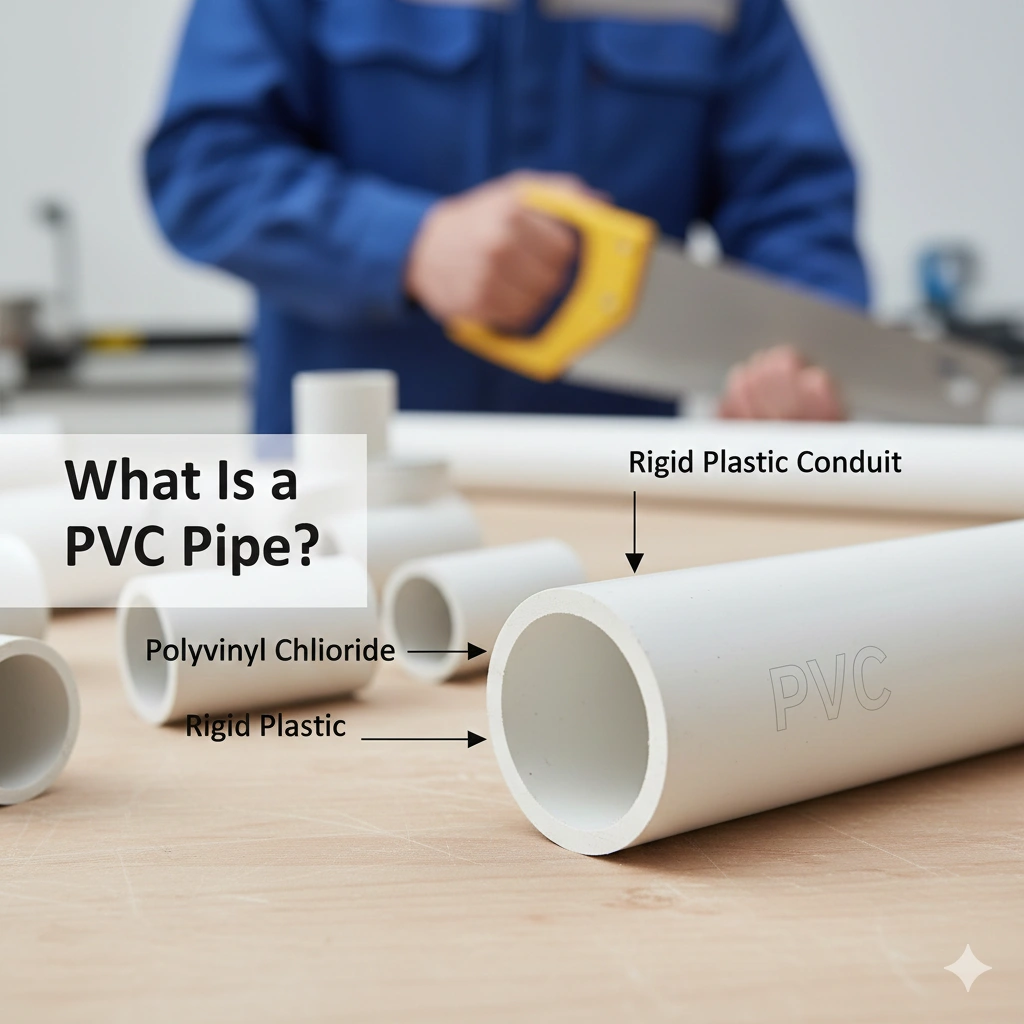
A PVC pipe (Polyvinyl Chloride pipe) is a rigid plastic pipe commonly used in plumbing, drainage, and water supply systems. PVC piping has been a trusted solution for decades due to its affordability and resistance to corrosion.
Key Features of PVC Pipes
-
Lightweight yet strong material
-
Resistant to rust, chemicals, and corrosion
-
Available in various diameters and pressure ratings
-
Widely compatible with standard PVC pipe fittings
PVC pipes are frequently used as PVC water pipe systems for cold water supply, drainage, irrigation, and wastewater management.
Advantages of PVC Piping
-
Cost-effective compared to many alternatives
-
Long service life with minimal maintenance
-
Easy availability and standardized fittings
-
High resistance to chemical reactions
Limitations of PVC Pipes
-
Not suitable for hot water applications
-
Rigid structure limits flexibility
-
Can become brittle under extreme cold conditions
Despite these limitations, PVC plumbing remains one of the most economical and reliable options for many plumbing applications.
What Are PEX Pipes?
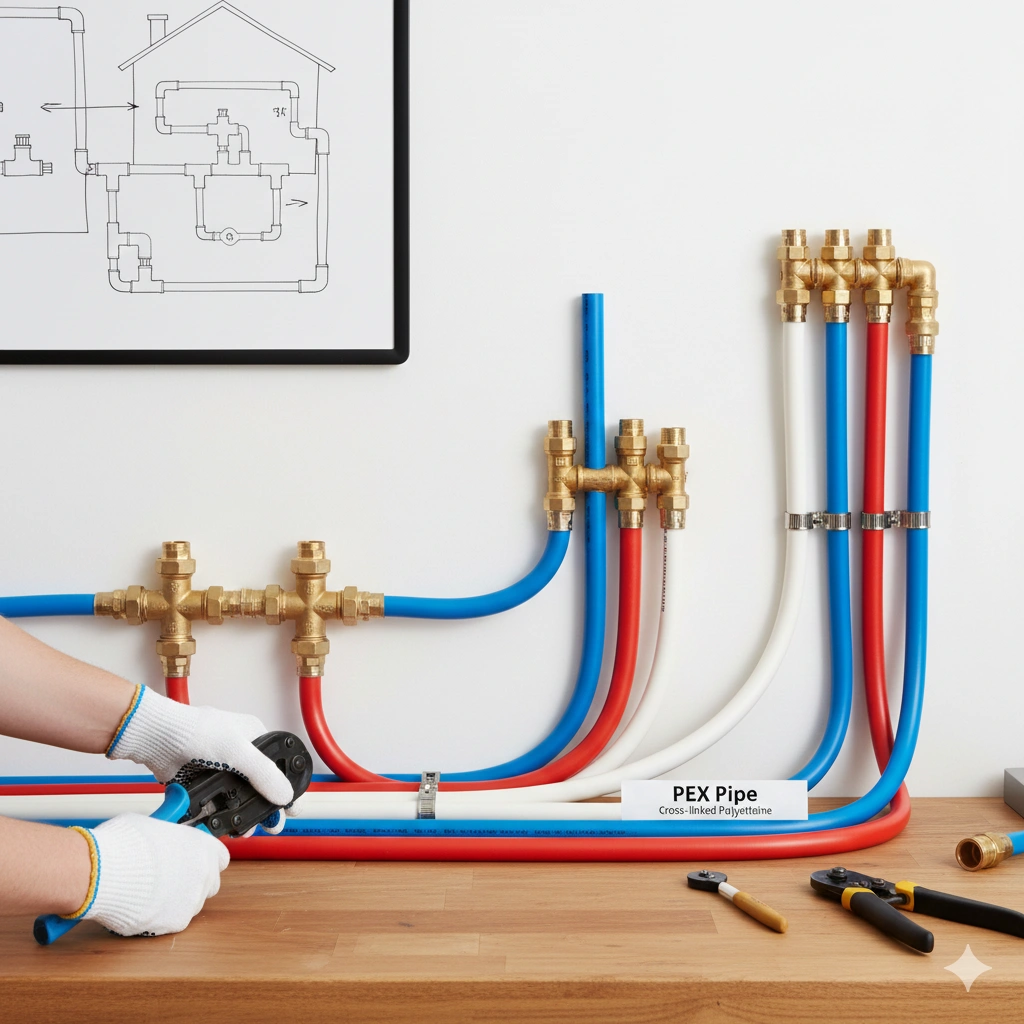
PEX piping (Cross-Linked Polyethylene) is a flexible plastic pipe designed primarily for water supply systems. It has gained popularity in modern plumbing due to ease of installation and adaptability.
Types of PEX Pipes
-
PEX-A : Most flexible, highest durability
-
PEX-B: Strong and cost-effective
-
PEX-C: Less flexible, budget-friendly
Advantages of PEX Plumbing
-
Highly flexible, reducing the need for joints
-
Suitable for both hot and cold water
-
Resistant to scale and corrosion
-
Faster installation compared to rigid pipes
Limitations of PEX Pipes
-
Higher material cost than PVC
-
Sensitive to UV exposure
-
Requires specialized PEX pipe fitting tools
PEX pipes are widely used in residential water supply systems, especially where flexibility and speed of installation are priorities.
PVC Pipe vs PEX Pipes: Key Differences at a Glance
|
Feature |
PVC Pipe |
PEX Pipe |
|
Flexibility |
Rigid |
Highly flexible |
|
Common Use |
Drainage, cold water |
Hot & cold water |
|
Installation |
Solvent cement |
Crimp or clamp |
|
Temperature Resistance |
Limited |
Excellent |
|
Durability |
High for drainage |
High for water supply |
|
Lifespan |
50+ years |
40–50 years |
PEX vs PVC Cost Comparison
Cost plays a major role when deciding between PEX vs PVC plumbing.
Material Cost
-
PVC pipe: Lower material cost
-
PEX piping: Higher upfront cost
Installation Cost
-
PVC requires cutting, solvent cement, and more fittings
-
PEX installs faster, reducing labor expenses
Overall, PEX vs PVC cost depends on project size. For large plumbing networks, PVC is generally more affordable. For smaller or complex layouts, PEX may offset its higher material cost through faster installation.
Durability and Lifespan Comparison
PVC Pipe Durability
PVC pipe durability is well-established in drainage and waste systems. PVC resists corrosion, chemicals, and rust, making it ideal for long-term underground use. However, it can become brittle over time when exposed to:
-
UV rays
-
Extreme cold
-
High-pressure hot water
PVC water pipe systems are best suited for cold water applications.
PEX Pipe Durability
PEX pipe durability is one of its biggest advantages. PEX piping can:
-
Expand slightly when frozen
-
Withstand temperature fluctuations
-
Resist scale buildup
However, PEX should not be exposed to direct sunlight for extended periods, as UV exposure can degrade the material.
Both materials offer long lifespans when used correctly, but their durability depends heavily on application.
Installation Guide: PVC Pipe vs PEX Pipes
PVC Pipe Installation Guide
Installing PVC plumbing requires precision and planning.
Tools Required
-
PVC cutter or hacksaw
-
Primer and solvent cement
-
Measuring tape and deburring tool
Installation Steps
-
Measure and cut PVC piping accurately
-
Dry-fit pipes and Flexible ty
-
Apply primer and cement
-
Join pipes and allow curing time
Challenges
-
Rigid structure requires precise alignment
-
Mistakes are difficult to reverse
-
Longer installation time
This PVC pipe installation guide highlights why professional installation is often recommended.
PEX Pipe Installation
PEX plumbing is significantly easier to install.
Tools Required
-
PEX crimp or clamp tool
-
PEX pipe fitting
-
Cutter and gauge
Installation Steps
-
Cut PEX piping to length
-
Insert fitting
-
Secure with clamp or crimp ring
Advantages
-
Fewer joints
-
Flexible routing around obstacles
-
Faster installation
Because of its simplicity, PEX plumbing is popular for DIY and renovation projects.
Maintenance and Repair Considerations
Maintenance requirements differ significantly between PVC and PEX.
-
PVC plumbing repairs often require cutting and replacing sections
-
PEX plumbing allows quick repairs with couplings
-
Leak detection is easier in exposed PVC piping
-
PEX is less prone to joint failure due to fewer fittings
In long-term use, PEX systems generally require less maintenance.
Best Use Cases: When to Choose PVC or PEX
Choose PVC Pipe When:
-
Installing drainage or waste systems
-
Working on outdoor plumbing
-
Budget is the primary concern
-
Straight-line installations are possible
Choose PEX Piping When:
-
Installing hot and cold water supply lines
-
Remodeling or retrofitting homes
-
Reducing installation time and labor
-
Seeking flexibility and freeze resistance
Understanding these scenarios helps determine the best pipe for plumbing based on project needs.
PVC Pipe vs PEX Pipes: Pros and Cons Summary
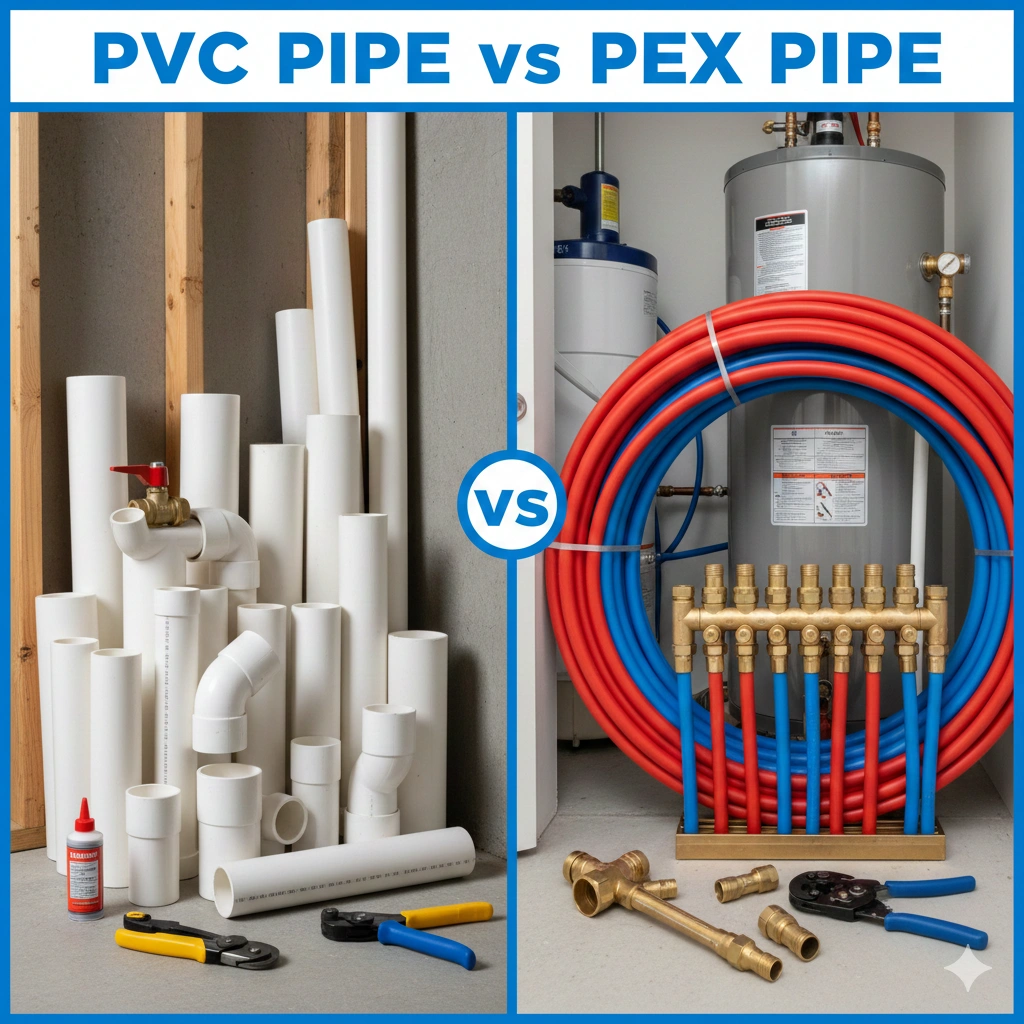
PVC Pipe – Pros
-
Cost-effective and widely used plumbing material
-
Long service life with minimal maintenance
-
Easily available in standard sizes and specifications
-
Ideal for drainage systems and cold water supply lines
PVC Pipe – Cons
-
Rigid structure limits flexibility during installation
-
Not suitable for hot water applications
PEX Pipe – Pros
-
Highly flexible design reduces the need for multiple joints
-
Faster and easier installation compared to rigid pipes
-
Suitable for both hot and cold water plumbing systems
-
Requires fewer fittings, lowering potential leak points
PEX Pipe – Cons
-
Higher material cost compared to PVC pipes
-
Sensitive to prolonged UV exposure
Why Choose Scotto Pipes for Plumbing Solutions
Scotto Pipes delivers high-quality PVC piping solutions designed to meet modern plumbing requirements. With strict quality control, durable materials, and compliance with industry standards, Scotto Pipes ensures reliable performance across residential, commercial, and industrial applications.
Their range of PVC pipe fittings, water pipes, and plumbing solutions are engineered for longevity, safety, and efficiency.
Conclusion: PVC Pipe vs PEX – Which Is Right for You?
The choice between PVC pipe vs PEX pipes depends on your plumbing application, budget, and installation requirements. PVC piping remains a reliable solution for drainage and cold water systems, offering excellent durability at a low cost. On the other hand, PEX piping stands out for modern residential plumbing, especially where flexibility, speed, and hot water compatibility matter.
When evaluating PEX vs PVC plumbing, consider both upfront and long-term costs. While PVC is cheaper initially, PEX often delivers better value through reduced labor and maintenance.
Ultimately, selecting the best pipe for plumbing means matching the right material to the right job. With proper planning and installation, both PVC and PEX can deliver decades of dependable performance.
People Also Ask (FAQs)
1. Is PVC pipe better than PEX for plumbing?
PVC is better for drainage and cold water, while PEX is better for hot and cold water supply.
2. Which is more affordable: PEX or PVC?
PVC has lower material costs, but PEX may reduce labor costs.
3. Can PEX piping replace PVC piping?
PEX can replace PVC in water supply systems but not in drainage applications.
4. Which pipe lasts longer: PVC or PEX?
Both offer long lifespans when installed correctly.
5. What is the best pipe for plumbing in homes?
PEX is often preferred for homes, while PVC remains popular for drainage.