
Water is the backbone of agriculture. For farmers, efficient irrigation is not just about supplying water to crops but about ensuring optimal usage, minimizing losses, and maintaining consistent crop health. With increasing water scarcity, rising input costs, and unpredictable climate conditions, modern farming demands reliable irrigation systems that can perform efficiently over the long term.
Traditional irrigation methods often result in water leakage, uneven distribution, and frequent pipe failures. These issues directly impact crop yield and farm profitability. As a result, farmers are increasingly shifting towards advanced irrigation pipes that are durable, cost-effective, and easy to maintain.
Among the available options, UPVC pipes have emerged as one of the most trusted solutions for agricultural and irrigation applications. Known for their strength, corrosion resistance, and long service life, UPVC pipes are now widely used as agriculture pipes, farm irrigation pipes, and agricultural water pipes across small farms and large agricultural projects alike.
What Are UPVC Pipes?
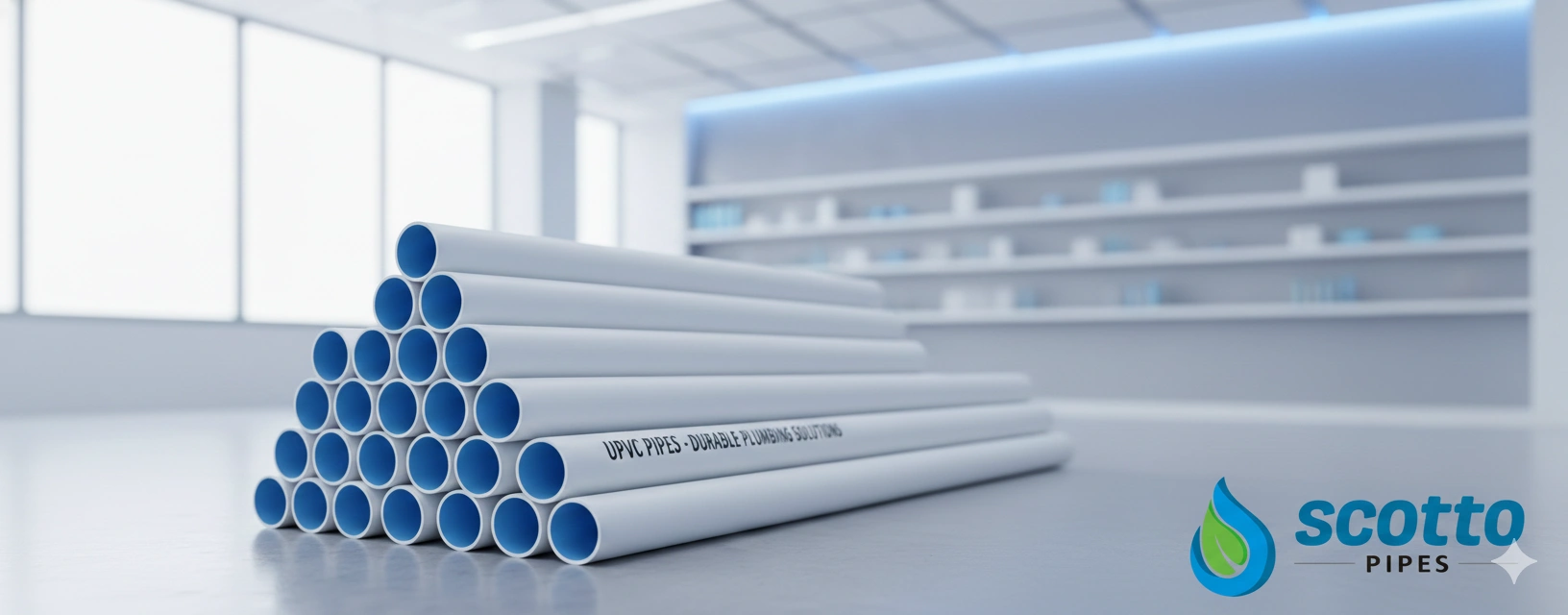
UPVC stands for Unplasticized Polyvinyl Chloride, a rigid form of PVC that does not contain plasticizers. This gives UPVC pipes higher strength, better pressure-handling capacity, and enhanced durability compared to conventional PVC products.
Unlike flexible plastic pipes, rigid PVC pipes such as UPVC maintain their shape even under high pressure and temperature variations. This makes them highly suitable for agricultural environments where pipes are exposed to sunlight, soil pressure, fertilizers, and varying water flow conditions.
UPVC pipes are commonly used as agricultural pipes, farm water pipes, and sprinkler irrigation pipes because they provide consistent performance and long-term reliability. They are also widely used in PVC irrigation systems and underground farm pipelines.
Importance of Choosing the Right Pipes for Agriculture
Selecting the right pipe material is a critical decision for any farming operation. Poor-quality pipes can lead to frequent leakages, water loss, uneven irrigation, and high maintenance costs. In agriculture, even small inefficiencies can significantly affect crop productivity.
High-quality farm pipes ensure that water reaches crops uniformly, whether through surface irrigation, sprinkler systems, or an agricultural drip irrigation system. The right pipes also help maintain consistent pressure, which is essential for drip and sprinkler irrigation.
This is why farmers today prioritize upvc pressure pipes and well-designed farm irrigation pipes that can withstand long-term usage without compromising water efficiency.
Key Reasons Farmers Prefer UPVC Pipes for Irrigation
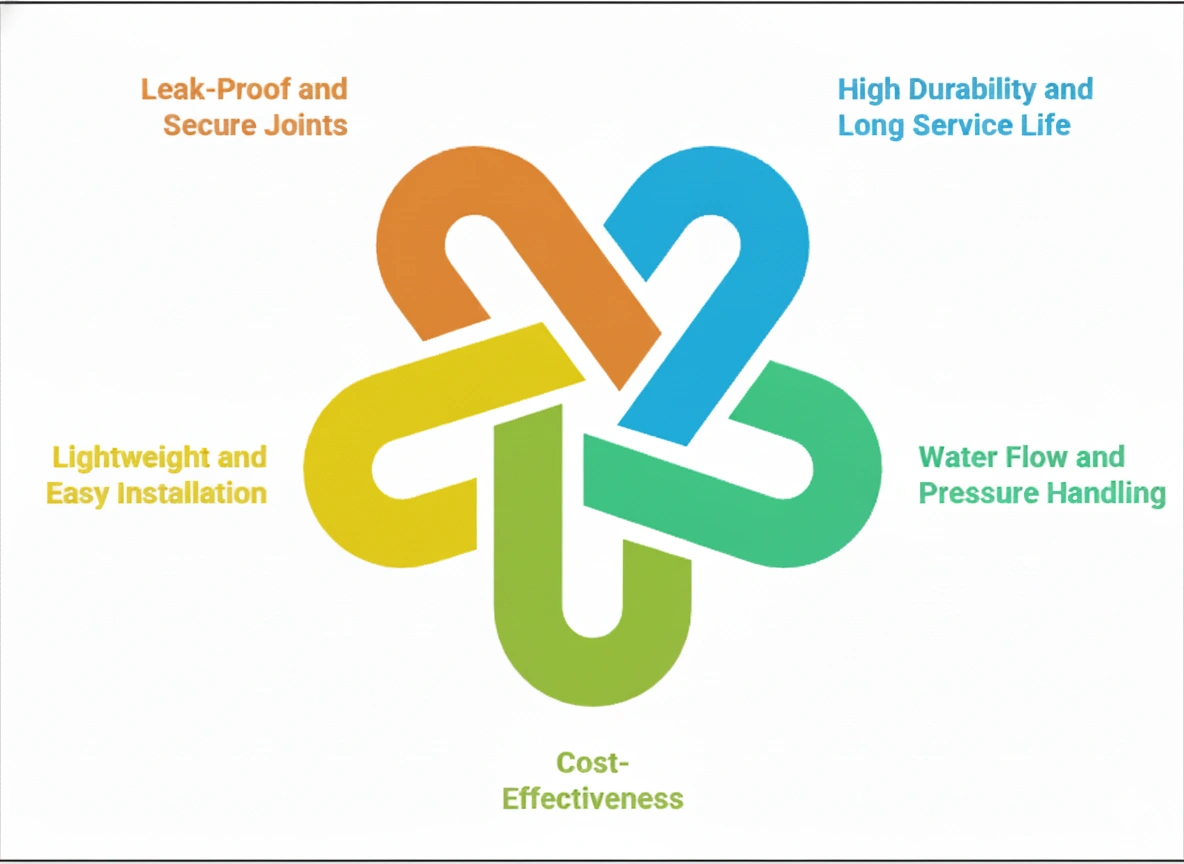
1. High Durability and Long Service Life
One of the biggest reasons farmers prefer UPVC pipes is their exceptional durability. Unlike metal pipes, UPVC does not rust or corrode when exposed to moisture or soil chemicals. This makes them ideal agricultural water pipes for underground and surface installations.
UPVC pipes can last for decades when installed correctly, significantly reducing replacement and repair costs. Their resistance to cracking and wear makes them suitable for both seasonal and year-round farming operations.
2. Excellent Water Flow and Pressure Handling
UPVC pipes have a smooth internal surface that minimizes friction loss. This allows water to flow efficiently over long distances without pressure drop, which is especially important in large farms.
Because of their strong structure, upvc pressure pipes can handle high water pressure without deformation. This makes them suitable for sprinkler irrigation pipes, main water supply lines, and long-distance farm water pipes.
3. Cost-Effective for Farmers
Cost is a major concern in agriculture, and UPVC pipes offer excellent value for money. Compared to metal pipes, UPVC pipes are more affordable and require minimal maintenance over their lifespan.
Lower installation costs, reduced leakage, and long service life make UPVC a cost-effective option for pvc pipes for agriculture. Over time, farmers save significantly on water, repairs, and replacement expenses.
3. Lightweight and Easy Installation
UPVC pipes are lightweight, making them easy to transport and handle on farms. This reduces labor requirements during installation and speeds up project completion.
Quick and easy installation is particularly beneficial for seasonal irrigation setups and expanding agricultural drip irrigation systems. Farmers can modify or extend their PVC irrigation system without complex tools or heavy machinery.
4. Leak-Proof and Secure Joints
Water loss due to leakage is a common problem in traditional irrigation systems. UPVC pipes use solvent cement joints that create strong, leak-proof connections.
These secure joints ensure minimal water wastage, improving irrigation efficiency. Leak-proof performance makes UPVC pipes reliable farm irrigation pipes even in high-pressure systems.
Resistance to Chemicals, Fertilizers, and Soil Conditions
In modern agriculture, irrigation systems are no longer used only for water supply. They are also an integral part of nutrient delivery. Fertilizers, pesticides, and micronutrients are often mixed with water and supplied directly to crops through irrigation lines. This makes chemical resistance a critical requirement for agriculture pipes.
UPVC pipes are highly resistant to a wide range of chemicals commonly used in farming. Unlike metal pipes, they do not corrode or react when exposed to fertilizers or agrochemicals. This property makes UPVC an ideal choice for agricultural drip irrigation systems, where nutrients are delivered directly to the root zone.
Soil conditions also vary widely from one region to another. Some soils are acidic, while others may have high salinity levels. UPVC pipes remain unaffected by such soil characteristics, ensuring consistent performance over time. This reliability makes them dependable agricultural water pipes for underground installations, especially in long-term irrigation projects.
Weather and UV Resistance in Agricultural Environments
Agricultural irrigation systems are often exposed to harsh environmental conditions. Pipes installed in open fields must withstand intense sunlight, heavy rainfall, temperature fluctuations, and prolonged outdoor exposure. Many traditional pipe materials degrade under such conditions, leading to cracks and reduced performance.
UPVC pipes are manufactured with UV stabilizers that protect them from damage caused by prolonged sunlight exposure. This makes them suitable for surface-installed farm irrigation pipes and sprinkler irrigation pipes that remain exposed throughout the year.
Additionally, UPVC pipes perform well in both hot and cold climates. They do not expand or contract excessively due to temperature changes, ensuring stable water flow. This weather resistance contributes to the long service life of UPVC pipes and makes them a preferred solution for reliable PVC irrigation systems in diverse agricultural environments.
UPVC Pipes vs Other Irrigation Pipe Materials
UPVC Pipes vs Metal Pipes
Metal pipes are prone to rust, corrosion, and scaling, which reduces water flow and increases maintenance costs. UPVC pipes, on the other hand, are corrosion-free and require minimal upkeep.
In terms of cost and lifespan, UPVC clearly outperforms metal pipes, making it a preferred choice for agriculture pipes.
UPVC Pipes vs HDPE Pipes
HDPE pipes are flexible and suitable for certain applications, but they may deform under high pressure. UPVC pipes are rigid and provide better pressure stability.
For fixed farm irrigation pipes and structured PVC irrigation systems, UPVC offers superior joint strength and durability.
UPVC Pipes vs Conventional PVC Pipes
While conventional PVC pipes are commonly used, UPVC pipes offer better strength, pressure handling, and temperature resistance. This makes UPVC more reliable for long-term agricultural use.
Applications of UPVC Pipes in Agriculture
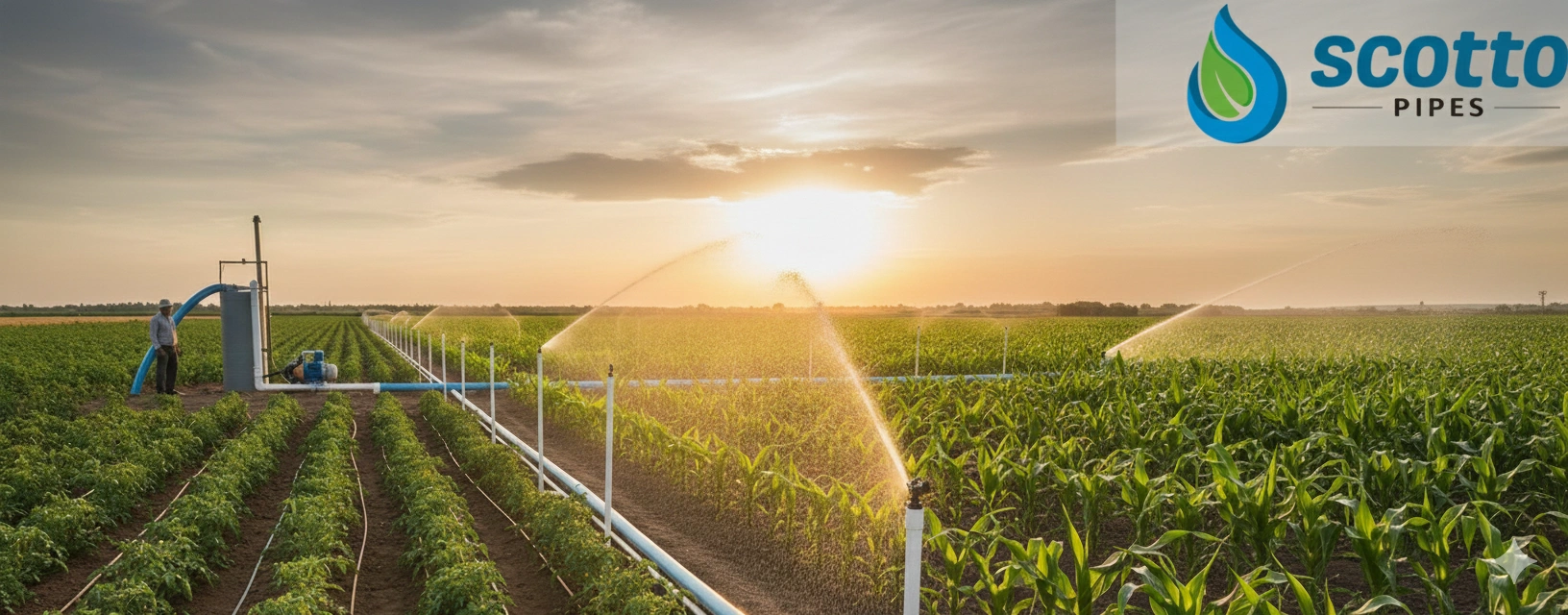
1. Drip Irrigation Systems
UPVC pipes are extensively used in drip irrigation pipes for precise water delivery. These systems reduce water wastage and improve crop yield by targeting root zones directly.
UPVC ensures leak-free performance, making it ideal for long-term agricultural drip irrigation system installations.
2. Sprinkler Irrigation Systems
For overhead irrigation, UPVC pipes serve as dependable sprinkler irrigation pipes. They maintain consistent pressure, enabling uniform water coverage across crops.
UPVC pipes withstand constant exposure to sunlight and water pressure, ensuring reliable operation.
3. Water Supply and Distribution Lines
UPVC pipes are widely used as main and sub-main lines in farms. These agricultural water pipes efficiently transport water from storage tanks, canals, or borewells to fields.
Their strength and smooth flow characteristics make them ideal farm irrigation pipes.
4. Borewell and Tube Well Connections
UPVC pipes are commonly used for borewell discharge lines and underground water transport. Their pressure resistance and leak-proof joints ensure reliable water supply throughout the irrigation cycle.
Environmental Benefits of Using UPVC Pipes
Sustainability is becoming a key focus in agriculture, and irrigation systems play a major role in water conservation. Leak-free UPVC pipes help minimize water loss, ensuring that every drop reaches the crops.
Their long lifespan reduces the need for frequent replacements, lowering material consumption and waste generation. Efficient PVC irrigation systems built with UPVC pipes support responsible water usage and sustainable farming practices.
By reducing water wastage and improving irrigation efficiency, UPVC pipes contribute to environmentally responsible agriculture while helping farmers manage limited water resources more effectively.
Government Support and Adoption of UPVC Pipes in Agriculture
Governments across many regions actively promote water-efficient irrigation methods. Drip and sprinkler irrigation schemes often recommend or approve UPVC pipes due to their durability and performance.
Subsidy-based irrigation programs frequently include agriculture pipes made from UPVC as a standard requirement. This widespread adoption reflects trust in the quality and reliability of UPVC products for agricultural infrastructure.
As water conservation becomes a priority, the role of UPVC pipes in government-supported irrigation projects continues to expand.
How to Choose the Right UPVC Pipes for Your Farm
Selecting the correct UPVC pipes involves understanding your farm’s irrigation needs. Factors such as pipe diameter, pressure rating, and application type must be carefully evaluated.
Farmers should always source products from reputable upvc pipe manufacturers that comply with industry standards. Certified pipes ensure safety, durability, and consistent performance.
Matching the pipe specification with the irrigation method whether drip, sprinkler, or surface irrigation helps build a reliable and efficient PVC irrigation system.
Maintenance Tips for UPVC Irrigation Pipes
One of the major advantages of UPVC pipes is their low maintenance requirement. However, routine inspections help ensure optimal performance.
Farmers should periodically check joints and fittings for any signs of damage. Exposed farm pipes should be protected from heavy machinery and sharp tools during field operations.
Proper handling and timely inspections can significantly extend the lifespan of UPVC irrigation systems.
Future of UPVC Pipes in Agricultural Irrigation
The future of agriculture lies in efficiency and precision. As farms increasingly adopt advanced irrigation techniques, the demand for reliable materials continues to grow.
UPVC pipes will play a crucial role in next-generation agricultural drip irrigation systems and smart water management solutions. Ongoing innovations by leading upvc pipe manufacturers are further improving strength, sustainability, and performance.
With rising focus on water conservation and productivity, UPVC pipes are set to remain a cornerstone of modern agricultural irrigation.
Scotto Pipes: Trusted UPVC Pipes for Efficient Agricultural Irrigation
Scotto Pipes is a trusted name in the manufacturing of high-quality upvc pipes designed to meet the evolving needs of modern agriculture and irrigation. With a strong focus on durability, precision engineering, and consistent performance, Scotto Pipes delivers reliable solutions for farmers seeking efficient agricultural water pipes and long-lasting irrigation infrastructure.
Manufactured using advanced technology and strict quality control processes, Scotto Pipes product range includes upvc pressure pipes, irrigation pipes, and farm water pipes that ensure leak-free flow, excellent pressure handling, and resistance to chemicals and environmental stress. Trusted by farmers and agricultural professionals, Scotto Pipes supports sustainable farming practices by enabling efficient water distribution and reduced maintenance costs.
Conclusion
The use of upvc pipes in agriculture has transformed irrigation practices by offering durability, efficiency, and cost savings. From drip systems to sprinkler networks and main water distribution lines, UPVC pipes provide reliable performance in diverse farming conditions.
By investing in high-quality farm irrigation pipes, farmers can improve water efficiency, reduce maintenance costs, and support sustainable agriculture. As water management becomes increasingly critical, UPVC pipes remain a future-ready solution for modern farming needs.
Frequently Asked Questions (People Also Ask)
1. Are UPVC pipes safe for irrigation water?
Yes, UPVC pipes are non-toxic and safe for agricultural water supply.
2. How long do UPVC pipes last in farming conditions?
UPVC pipes can last 40–50 years with proper installation.
3. Can UPVC pipes be used for drip and sprinkler irrigation?
Yes, they are suitable for both drip irrigation pipes and sprinkler systems.
4. Are UPVC pipes better than metal pipes for agriculture?
Yes, due to corrosion resistance, lower cost, and longer lifespan.