
Smart cities depend on strong and reliable infrastructure systems to manage water supply, drainage, utilities, and urban development efficiently. One of the most important components in this infrastructure is the piping network. Today, UPVC pipes are widely used in modern urban projects because they offer durability, corrosion resistance, and long service life.
From municipal water distribution to drainage systems, UPVC pipeline networks play a vital role in ensuring efficient and sustainable urban infrastructure. Their lightweight design, leak-proof connections, and low maintenance needs make them ideal for large-scale infrastructure development.
What Are UPVC Pipes?
UPVC stands for Unplasticized Polyvinyl Chloride, a rigid form of PVC that does not contain plasticizers. This makes the material stronger, more durable, and suitable for high-pressure applications such as water distribution and drainage systems.
Unlike traditional materials like metal or concrete, UPVC pipes and fittings are designed to resist corrosion, chemicals, and environmental damage.
Key Characteristics
Some important features that make UPVC pipes for plumbing and infrastructure highly reliable include:
- High strength and rigidity
- Excellent corrosion resistance
- Smooth inner surface for better flow
- Lightweight and easy to install
- Long lifespan with minimal maintenance
- Chemical resistance for drainage and sewage systems
These qualities make UPVC pipe fittings suitable for both residential and large infrastructure projects.
Difference Between PVC and UPVC Pipes
|
Feature |
PVC Pipes |
UPVC Pipes |
|
Material Type |
Flexible |
Rigid |
|
Plasticizers |
Present |
Not Present |
|
Strength |
Moderate |
High |
|
Usage |
Cable insulation, general piping |
Plumbing and water supply |
|
Durability |
Moderate |
Long-lasting |
Because of their rigidity and durability, UPVC fittings are widely preferred for water supply networks in urban infrastructure.
Why Smart Cities Require Advanced Piping Systems
Modern cities require efficient systems for water distribution, drainage, waste management, and utilities. Traditional metal pipelines often face issues such as corrosion, leakage, and high maintenance costs.
Challenges in Traditional Infrastructure Systems
Older infrastructure systems commonly face several problems:
- Rust and corrosion in metal pipes
- Leakage leading to water loss
- High maintenance and repair costs
- Reduced lifespan of infrastructure systems
These challenges increase operational costs for municipal authorities.
Infrastructure Requirements in Smart Cities
Smart city planning focuses on efficient resource management and sustainable development. Therefore, infrastructure must include:
- Reliable UPVC pipe for water supply networks
- Efficient drainage and sewer systems
- Durable underground utility pipelines
- Long-lasting materials that reduce maintenance
Because of these needs, UPVC pipeline systems are becoming a preferred solution for modern urban projects.
Role of UPVC Pipes in Smart City Infrastructure Projects
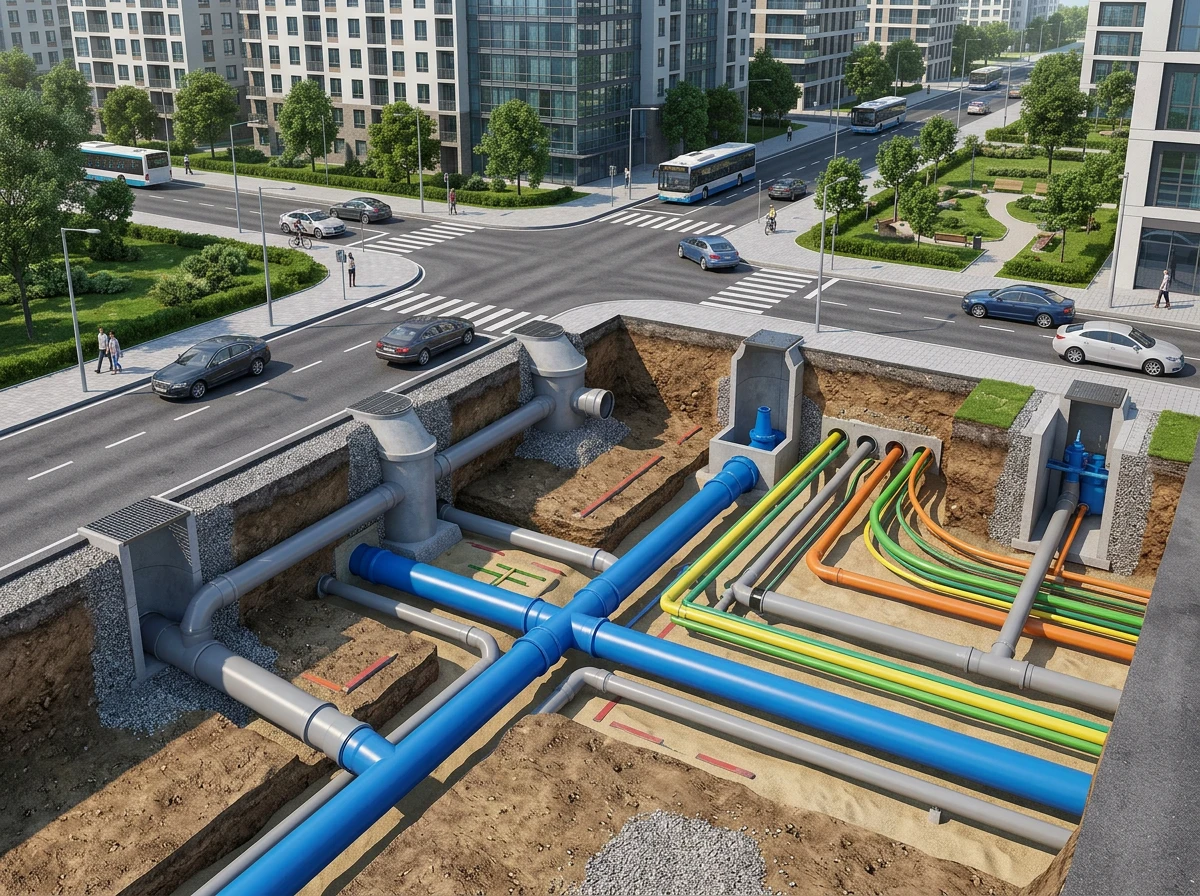
Water Supply Distribution Systems
Municipal water distribution requires pipes that can handle pressure and maintain water quality. UPVC pipeline systems are widely used because:
- Prevent contamination of drinking water
- Resist corrosion and scaling
- Maintain smooth water flow
Pipes such as 1 inch UPVC pipe, 40mm UPVC pipe, and larger sizes are widely used in residential and municipal networks.
Underground Drainage and Sewer Systems
Drainage systems require materials that can withstand chemicals and waste materials. UPVC pipe fittings are ideal for these applications because they offer:
- Chemical resistance
- Smooth inner walls that prevent blockages
- Leak-proof connections
These features help maintain efficient sewage systems in urban infrastructure.
Stormwater Management Systems
Smart cities must manage heavy rainfall and prevent flooding. Large pipeline sizes such as 4 inch UPVC pipe and 6 inch UPVC pipe are commonly used in stormwater drainage systems.
These pipes help:
- Quickly channel rainwater
- Prevent waterlogging in urban areas
- Support flood management systems
Agricultural Irrigation Around Urban Zones
Many smart cities include urban farming and surrounding agricultural zones. In these areas, UPVC pipeline systems are used for irrigation because they:
- Ensure efficient water distribution
- Reduce leakage losses
- Support long-distance water transport
Electrical Cable Protection in Smart Grids
UPVC materials are also used as protective conduits for electrical and telecom cables. The durability of white UPVC pipe makes it suitable for underground cable protection in smart city infrastructure.
Key Advantages of UPVC pipe systems in Smart Infrastructure
Several benefits make UPVC pipes and fittings highly suitable for large-scale infrastructure projects:
- Long service life – often lasting 40 to 50 years
- Corrosion resistance – unaffected by rust or chemical reactions
- Smooth interior surface – improves water flow and reduces energy loss
- Leak-proof joints – reduce water wastage in distribution systems
- Lightweight structure – easier transportation and installation
- Low maintenance cost – minimal repairs required over time
These advantages significantly reduce long-term infrastructure costs for municipalities.
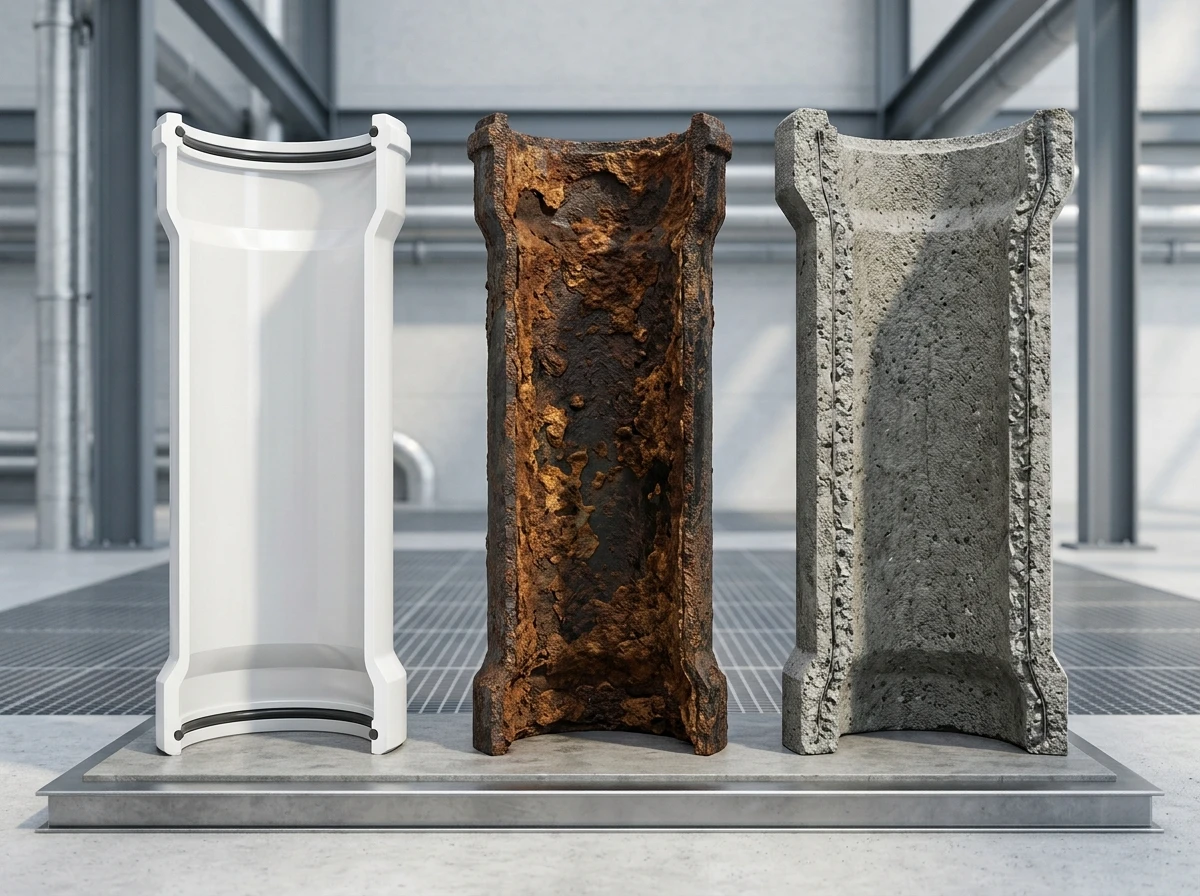
UPVC Pipes vs Traditional Materials in Infrastructure Projects
|
Feature |
UPVC Pipes |
Metal Pipes |
Concrete Pipes |
|
Corrosion Resistance |
High |
Low |
Medium |
|
Installation Cost |
Low |
High |
High |
|
Maintenance |
Minimal |
High |
Medium |
|
Lifespan |
40–50 Years |
15–25 Years |
20–30 Years |
|
Weight |
Lightweight |
Heavy |
Very Heavy |
Because of these advantages, UPVC plumbing fittings and pipelines are widely adopted in modern infrastructure systems.
Applications of UPVC Piping Systems in Modern Smart City Projects
UPVC piping systems are used across multiple sectors of urban infrastructure.
Major Applications
- Municipal water supply pipelines
- UPVC Plumbing Systems for Residential Buildings
- Sewer and drainage systems
- Rainwater harvesting systems
- Industrial wastewater pipelines
- Cable ducting for telecom networks
Reliable manufacturers such as Scotto Pipes supply high-quality piping solutions for plumbing, agriculture, and industrial applications. Their range of UPVC pipes and fittings supports infrastructure projects requiring durability and performance.
Sustainability Benefits of UPVC Pipes in Urban Development
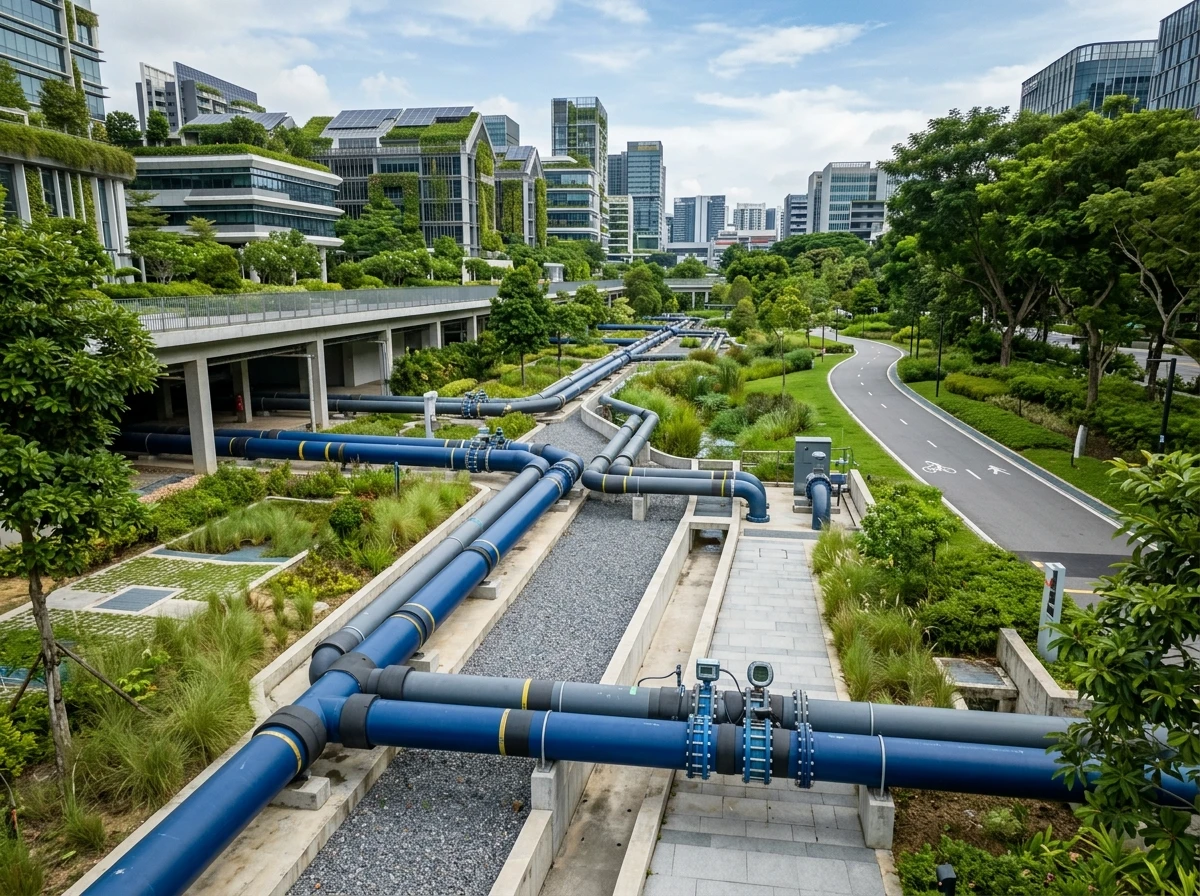
Sustainability is a key focus of smart city planning. UPVC piping systems support environmentally responsible infrastructure development.
Reduced Water Leakage
Leak-proof UPVC pipe fittings help reduce water loss in municipal supply systems.
Lower Energy Consumption
The smooth internal surface of UPVC pipeline networks reduces friction, which lowers pumping energy requirements.
Long Lifecycle
The durability of UPVC pipeline systems means fewer replacements, reducing infrastructure waste over time.
Recyclable Materials
PVC materials can be recycled, making them more sustainable compared to many traditional pipe materials.
Factors to Consider When Choosing UPVC Pipes for Infrastructure
When selecting UPVC pipes and fittings for smart city projects, several factors should be evaluated.
- Pipe diameter and pressure rating – choose appropriate sizes such as 1 inch UPVC pipe, 40mm UPVC pipe, or larger diameters depending on the application.
- Quality standards – ensure pipes meet industry certifications and quality standards.
- Environmental conditions – soil composition and chemical exposure should be considered.
- Installation methods – proper installation ensures leak-proof performance.
- Manufacturer reliability – trusted manufacturers like Scotto Pipes provide durable and high-quality piping solutions.
Choosing the right materials ensures long-lasting infrastructure and efficient water management.
Future of UPVC Pipes in Smart Infrastructure Development
As urbanization continues to grow, smart city initiatives are expanding across many regions. Infrastructure projects now focus on efficiency, sustainability, and long-term reliability.
Because of their durability and cost-effectiveness, UPVC pipelines will continue to play an important role in:
- Smart water management systems
- Advanced drainage networks
- Sustainable urban infrastructure
- Expansion of modern municipal utilities
With increasing adoption worldwide, UPVC pipeline systems are becoming a standard solution for modern city development.
Scotto Pipes: Reliable UPVC Piping Solutions for Smart Infrastructure
When building long-lasting urban infrastructure, choosing a reliable pipe manufacturer is essential. Scotto Pipes is a trusted manufacturer of PVC and UPVC pipes and fittings, offering durable piping solutions for plumbing, agriculture, and industrial applications.
With a strong focus on quality, performance, and reliability, Scotto Pipes provides piping systems designed to meet modern infrastructure requirements.
Looking for reliable UPVC pipes
Conclusion
Efficient infrastructure is the foundation of any smart city. Reliable piping systems are essential for water supply, drainage, and urban utilities. UPVC piping systems provide a durable, corrosion-resistant, and cost-effective solution for these infrastructure needs.
Their long lifespan, easy installation, and low maintenance requirements make them ideal for modern urban projects. As smart city development continues to expand, UPVC pipes and fittings will remain a key component in building sustainable and efficient infrastructure systems.
FAQs
1. What is the lifespan of UPVC pipes?
UPVC piping systems typically last 40–50 years with proper installation and maintenance.
2. Are UPVC pipes safe for drinking water?
Yes, certified UPVC pipe for water supply is safe and widely used for potable water systems.
3. Do UPVC pipeline systems require maintenance?
They require minimal maintenance because they resist corrosion and chemical damage.
4. Where are UPVC plumbing systems commonly used?
They are widely used in plumbing, drainage, irrigation, and municipal infrastructure projects.
5. What sizes are available in UPVC piping systems?
Common sizes include 1 inch UPVC pipe, 40mm UPVC pipe, 4 inch UPVC pipe, and 6 inch UPVC pipe, depending on the application.